General

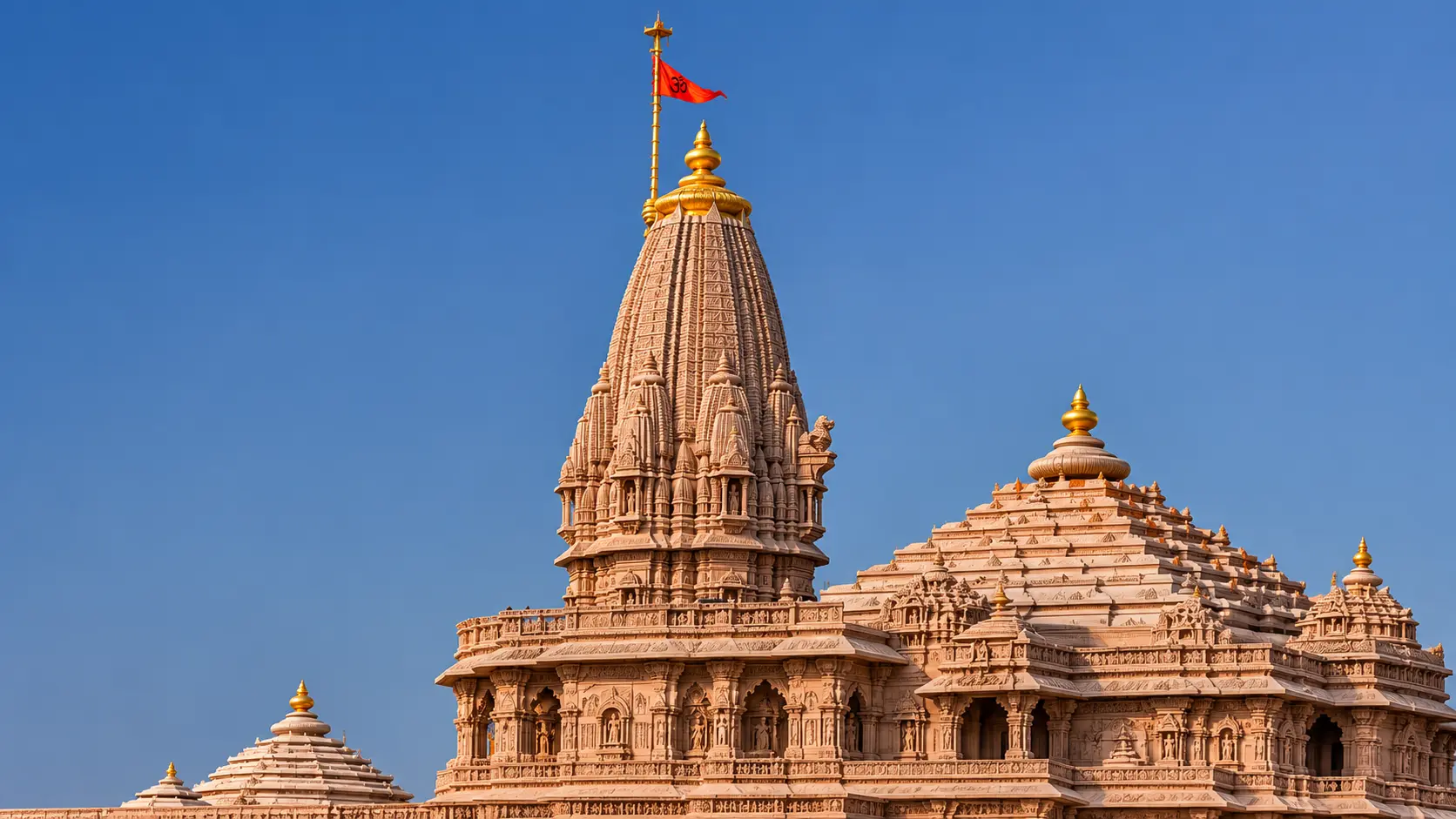
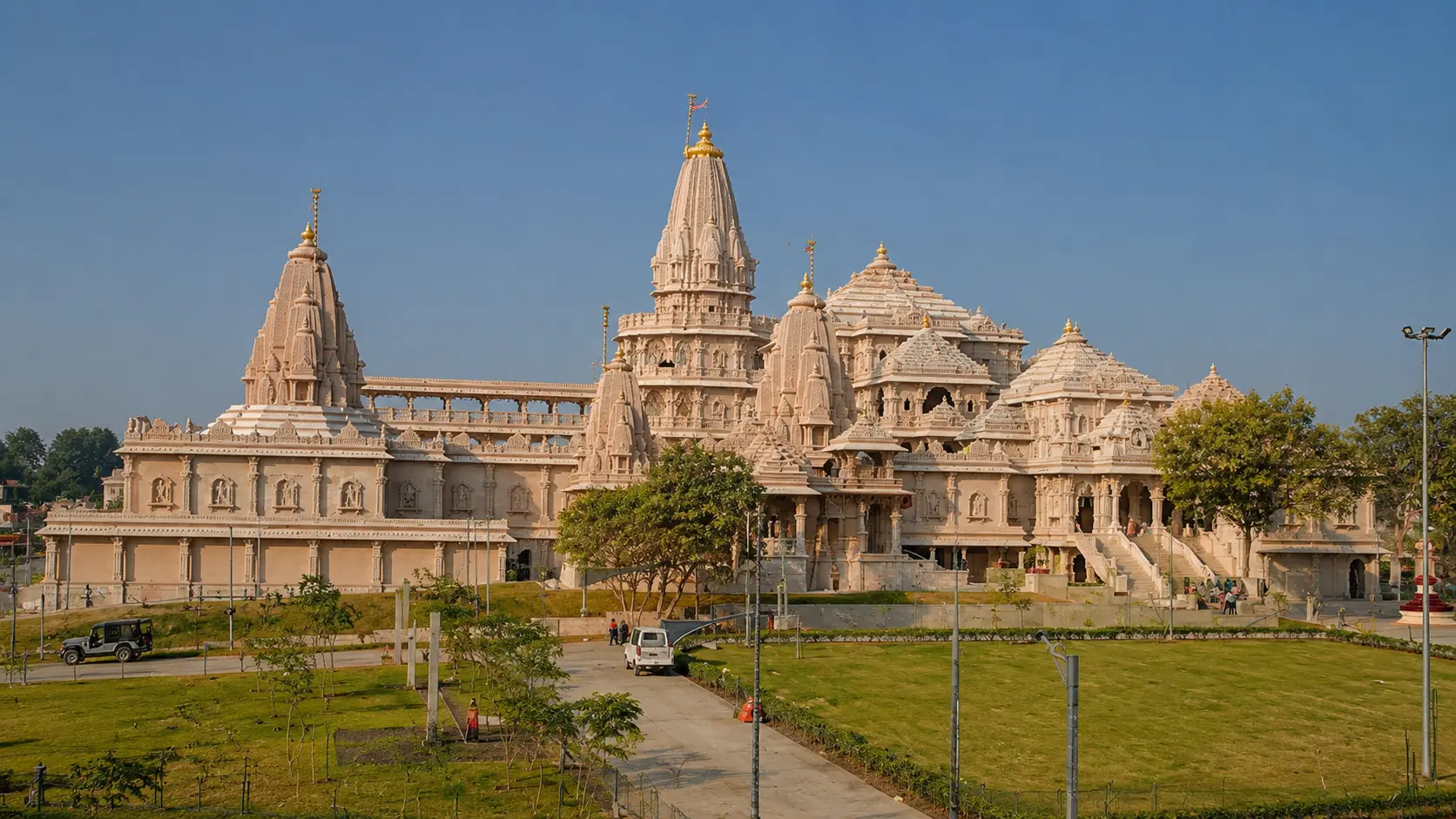
Shri Ram Mandir, Ayodhya

Ayodhya , Uttar Pradesh Deity: Lord Ram
Acharya Aagnivesh
Acharya Aagnivesh (Verified Astrologer) August 27, 2026

There are many temples in India, but very few places carry the same emotional and spiritual importance as Shri Ram Mandir in Ayodhya. For millions of devotees, Ayodhya is not simply a temple city—it is the sacred land associated with Lord Shri Ram, one of the most respected figures in Indian tradition.

The newly built Shri Ram Janmabhoomi Mandir, popularly known as Ram Mandir, has become one of the most important pilgrimage destinations in India. The temple is located at the Ram Janmabhoomi site in Ayodhya, Uttar Pradesh, a city deeply connected with the Ramayana and the story of Lord Ram. Uttar Pradesh tourism also places Ayodhya at the centre of its Ramayana Circuit.

Information Details
Temple Name Shri Ram Janmabhoomi Mandir
Popular Name Ram Mandir, Ayodhya
Location Ayodhya, Uttar Pradesh, India
State Uttar Pradesh
Main Deity Lord Shri Ram
Deity Form Ram Lalla
Religious Tradition Hinduism
Famous For Ram Janmabhoomi and Lord Ram
Consecration January 22, 2024

History & Significance

The history of Shri Ram Mandir Ayodhya is closely connected with the traditional belief that Ayodhya is the birthplace of Lord Shri Ram. According to Hindu religious tradition, Lord Ram was born in Ayodhya and later became the central figure of the Ramayana.

Ayodhya itself has an ancient place in Indian religious history. Uttar Pradesh government tourism material describes Ayodhya as one of the seven sacred cities of ancient India and highlights its connection with Lord Ram, the Ramayana and Shri Ramcharitmanas.

The history of the Ram Janmabhoomi site has also been connected with a long-running legal and social dispute. The modern chapter reached a major turning point when the Supreme Court of India delivered its judgment in November 2019, paving the way for the construction of the temple at the disputed site.

The foundation and construction of the new temple then moved forward, with the construction formally beginning in 2020. The Uttar Pradesh government described the temple project as a major moment in Ayodhya's religious and cultural history.

A major milestone came on 22 January 2024, when the consecration ceremony of Ram Lalla took place. Since then, Ayodhya has seen a huge increase in pilgrims and visitors coming to experience the new temple and the city's wider spiritual heritage. Government tourism sources now promote Ayodhya as an important religious and cultural destination.

Additional Information

Where Is Shri Ram Mandir Located?

Shri Ram Mandir is located in Ayodhya, Uttar Pradesh, India, at the Shri Ram Janmabhoomi site.

Ayodhya is situated on the banks of the River Saryu and is one of the major pilgrimage centres associated with Lord Ram. The city has several important religious places, including Hanuman Garhi, Kanak Bhawan and the Saryu ghats.

For someone visiting Ayodhya for the first time, the Ram Mandir is naturally the main attraction, but the experience becomes even more meaningful when combined with other important places around the city. Uttar Pradesh Tourism's Ayodhya itineraries include destinations such as Shri Ram Janmabhoomi, Hanuman Garhi, Kanak Bhawan and the Saryu Riverfront.

Who Is the Main Deity of Shri Ram Mandir?

The main deity of Shri Ram Mandir is Lord Shri Ram, worshipped in the form of Ram Lalla.

Ram Lalla represents Lord Ram in his child form. For devotees, seeing Ram Lalla is not simply a temple visit—it is a deeply emotional spiritual experience. Lord Ram is traditionally respected as Maryada Purushottam, meaning an ideal person who represents values such as truth, duty, courage, compassion and righteousness.

This is one reason why the Ram Mandir is important not only as a religious structure but also as a symbol of the values associated with Lord Ram.

Why Is Shri Ram Mandir So Important?

The importance of Ram Mandir comes from several layers of history and faith.

First, Ayodhya is traditionally regarded as the birthplace of Lord Ram. Second, Lord Ram is one of the most widely revered figures in Hindu tradition. His story has travelled across India and beyond through the Ramayana, folk traditions, literature, festivals and religious practices.

The temple has also become an important part of India's religious tourism landscape. The Uttar Pradesh government has developed Ayodhya as a major destination within the Ramayana Circuit, connecting it with other places associated with the Ramayana tradition.

For many devotees, therefore, visiting Ram Mandir is about more than seeing a beautiful temple. It is about experiencing a place they have heard about in stories, prayers and family traditions since childhood.

What Makes a Visit to Ram Mandir Special?

Imagine arriving in Ayodhya and slowly moving towards the sacred temple complex. Around you are thousands of pilgrims, families, elderly devotees and young visitors. Many have travelled hundreds or even thousands of kilometres for one reason—to have darshan of Ram Lalla.

The spiritual atmosphere becomes especially special during major occasions such as Ram Navami and other festivals connected with Lord Ram.

But Ayodhya offers more than the temple itself. Visitors can also explore the Saryu Riverfront, Hanuman Garhi, Kanak Bhawan and other important religious sites. The Uttar Pradesh Eco-Tourism Board specifically includes Ram Janmabhoomi, Hanuman Garhi and Kanak Bhawan in suggested Ayodhya travel itineraries.

Final Thoughts

Shri Ram Mandir Ayodhya is much more than a famous temple. It represents faith, history, tradition and the continuing cultural importance of Lord Shri Ram in India.

For devotees, the journey to Ayodhya can feel deeply personal. For history and architecture lovers, the temple and the wider city offer a fascinating look into India's religious heritage. And for travellers, Ayodhya provides an opportunity to experience a living pilgrimage city where ancient traditions and modern development meet.

If you are planning a religious trip to Uttar Pradesh, Ayodhya and Shri Ram Mandir deserve a place at the top of your list. The temple, the Saryu River, the old religious sites and the atmosphere of the city together create an experience that is difficult to describe in words—you really have to experience Ayodhya yourself.

Acharya Aagnivesh - Business Growth Expert
Written & Verified by Acharya Aagnivesh

Business Growth Expert • 9 Years

Specialist in Vedic astrology, birth chart analysis, and remedies on AstroZiva.

Consult with Acharya Aagnivesh

Frequently Asked Questions

1. Where is Shri Ram Mandir located?

Shri Ram Mandir is located at the Shri Ram Janmabhoomi site in Ayodhya, Uttar Pradesh, India. Ayodhya is an important Hindu pilgrimage city associated with Lord Shri Ram.

2. Who is the main deity of Ram Mandir?

The main deity is Lord Shri Ram, worshipped in his child form as Ram Lalla.

3. When was Shri Ram Mandir consecrated?

The consecration ceremony of Ram Lalla took place on 22 January 2024. This became a landmark moment in the modern history of Ayodhya and the temple.

4. Why is Ayodhya important for Lord Ram devotees?

Ayodhya is traditionally believed to be the birthplace of Lord Ram and has a deep connection with the Ramayana. Because of this, the city has been an important pilgrimage destination for devotees of Lord Ram for centuries.