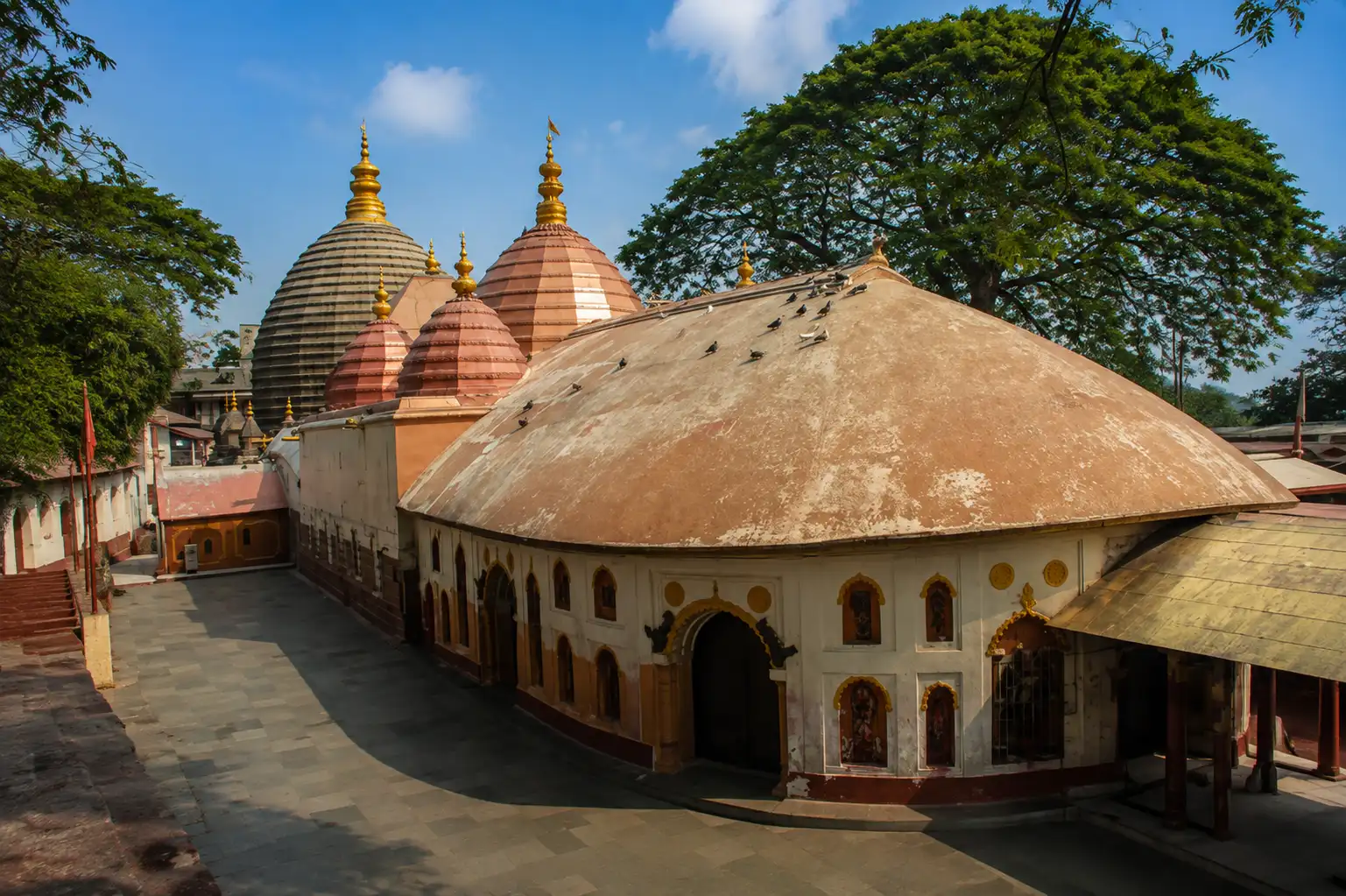
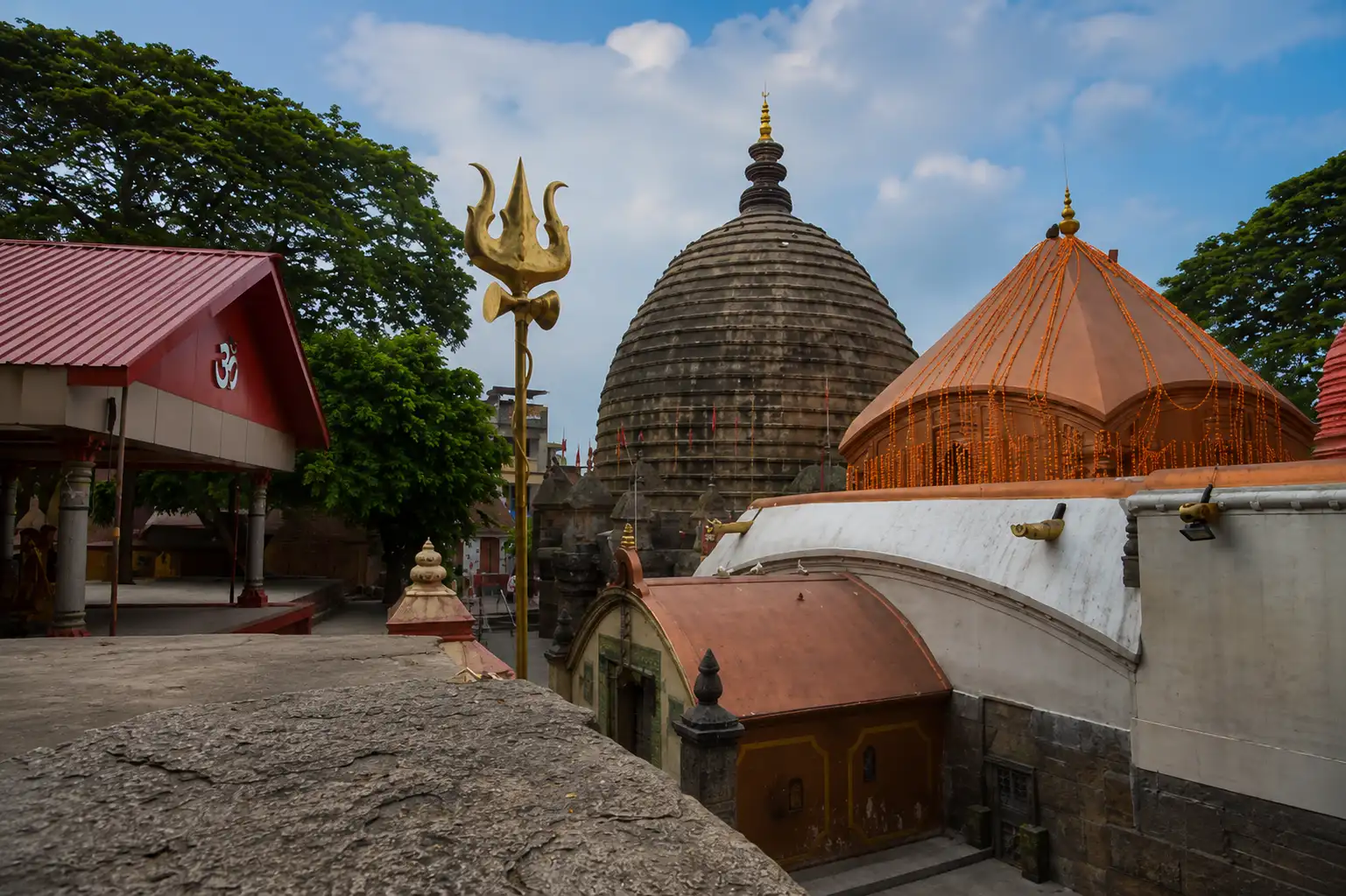
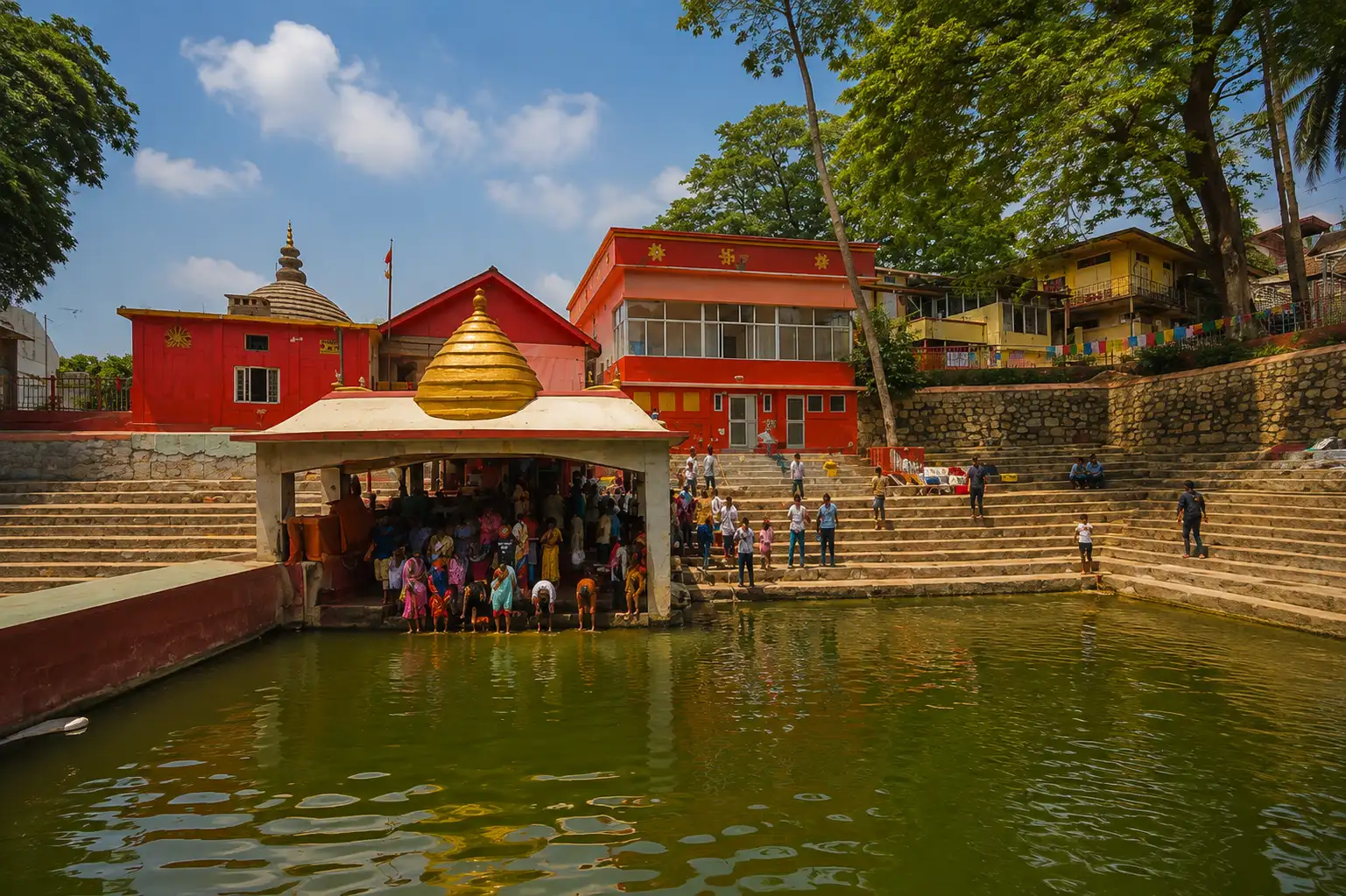
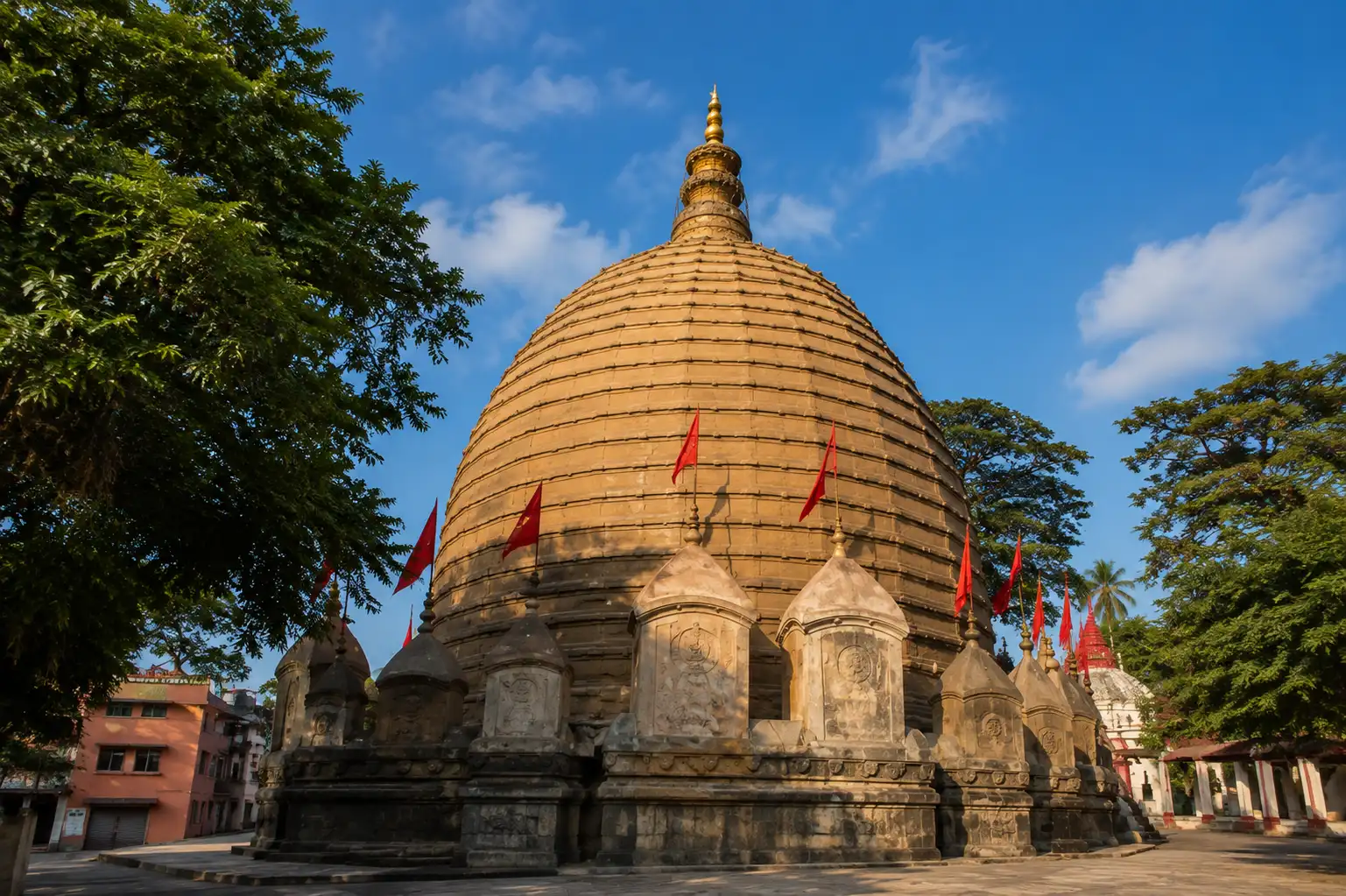
There are many sacred temples in India, but very few carry the same spiritual importance and unique religious traditions as Maa Kamakhya Temple in Assam. Located on the Nilachal Hill in Guwahati, the temple is one of the most revered Shakti shrines in India and an important centre of Shaktism and Tantric worship.
For millions of devotees, Kamakhya is not simply a temple—it is a sacred centre associated with the divine feminine power, fertility and Shakti. The temple is especially unique because the presiding Goddess is not worshipped through a conventional idol. Instead, Maa Kamakhya is revered in the form of a naturally significant yoni-shaped stone associated with the sacred Shakti Peetha tradition.
The temple becomes especially significant during the annual Ambubachi Mela, when devotees and spiritual seekers from across India and beyond gather at Nilachal Hill to experience one of the most important celebrations associated with Maa Kamakhya.
Maa Kamakhya Temple – Quick Details
| Information |
Details |
| Temple Name |
Kamakhya Temple |
| Popular Name |
Maa Kamakhya Temple |
| Location |
Nilachal Hill, Guwahati, Assam, India |
| State |
Assam |
| Main Deity |
Maa Kamakhya |
| Deity Form |
Yoni-shaped sacred stone |
| Religious Tradition |
Hinduism, Shaktism & Tantric tradition |
| Famous For |
Shakti Peetha and Ambubachi Mela |
| Major Festival |
Ambubachi Mela |
History & Significance
The history and spiritual significance of Maa Kamakhya Temple are deeply connected with the Shakti tradition of Hinduism. Kamakhya is traditionally regarded as one of the most important Shakti Peethas and is particularly revered as a centre of Shakti worship and Tantric practices.
According to the traditional Shakti Peetha story, after the death of Goddess Sati, Lord Shiva carried her body, and various parts of her body are believed to have fallen at different locations across the Indian subcontinent. These sacred locations came to be associated with Shakti Peethas.
Kamakhya is traditionally associated with the sacred yoni of Goddess Sati. The shrine therefore has a distinctive spiritual identity centred on the divine feminine principle and the creative power of Shakti.
Unlike most Hindu temples where the principal deity is represented by an idol, Maa Kamakhya is worshipped through a yoni-shaped stone that is associated with a natural underground spring. This distinctive form of worship is one of the features that makes Kamakhya different from many other major temples in India.
Over time, Kamakhya became an important centre for Shaktism and Tantric traditions. The Nilachal Hill complex also contains temples associated with several forms of the Divine Mother, including the Mahavidyas, making the entire hill an important spiritual landscape.